The Deadly Risk: Dangers of Smoking in Bed
Smoking in bed represents a significant fire hazard‚ being the primary cause of fatal fires; tragically‚ incidents occur even with e-cigarette use‚ charging‚ or device malfunction.
Understanding the Prevalence of Bed Smoking Fires
Bed smoking fires demonstrate a disturbingly consistent pattern‚ consistently ranking as a leading cause of residential fire fatalities. The intimate connection between smoking and relaxation‚ often occurring before sleep‚ creates a uniquely dangerous scenario. Individuals frequently fall asleep while smoking‚ leading to unattended cigarettes – the primary ignition source.
Statistics reveal a disproportionate number of these fires originate in bedrooms‚ highlighting the prevalence of this dangerous habit. The combination of flammable bedding materials‚ upholstered furniture‚ and a drowsy smoker dramatically increases the risk. Sadly‚ elderly individuals and those with mobility issues are particularly vulnerable‚ often facing challenges in reacting quickly to a developing fire.
These fires aren’t limited to traditional cigarettes; e-cigarette related incidents‚ involving battery malfunctions during charging‚ are also on the rise‚ adding another layer of complexity to this preventable tragedy.
Statistics on Fires Started by Cigarettes
Cigarettes remain a dominant cause of fatal residential fires‚ accounting for a substantial percentage of fire-related deaths annually. While comprehensive‚ up-to-the-minute national statistics are dynamic‚ historical data consistently points to cigarettes as the leading ignition source. Reports indicate that a significant portion of these fires begin with unattended smoking materials‚ frequently in bedroom settings.
Specifically‚ data from state-level analyses‚ like those conducted in St. Petersburg‚ reveal concerning injury rates linked to fires. Though focused on broader injury statistics‚ these reports underscore the overall impact of preventable fires. Furthermore‚ investigations into house fires frequently reveal a history of warnings issued to residents regarding the dangers of smoking in bed‚ as tragically exemplified by recent cases involving elderly individuals.
The rise of e-cigarettes introduces new statistical considerations‚ with fires occurring during charging or due to battery failures.
The Bedroom as a High-Risk Location
The bedroom consistently emerges as the most dangerous location for fires initiated by smoking materials. This elevated risk stems from a confluence of factors‚ primarily the combination of readily combustible bedding – mattresses‚ blankets‚ and pillows – and the common practice of smoking in bed‚ particularly before sleep. Many fires originate precisely in bedrooms‚ as highlighted by fire safety reports and investigations.
The intimate nature of the bedroom environment often encourages a relaxed‚ and potentially drowsy‚ state‚ increasing the likelihood of falling asleep while smoking. This lapse in awareness dramatically elevates the risk of an unattended cigarette igniting bedding. University housing regulations frequently prohibit smoking specifically due to this heightened danger.
Furthermore‚ bedrooms often contain upholstered furniture‚ adding to the fuel load and accelerating fire spread.
Why Smoking in Bed is Particularly Dangerous
Smoking in bed presents a uniquely perilous situation due to the convergence of several critical factors. The proximity of flammable materials – bedding‚ clothing‚ and nearby furniture – creates an immediate ignition source. A drowsy smoker‚ often lulled by the comfort of their bed‚ is significantly more likely to fall asleep with a lit cigarette‚ removing crucial awareness and reaction time.
This diminished awareness is compounded by potential impairments from alcohol or medications‚ further reducing alertness and increasing the risk of accidental ignition. Even seemingly extinguished cigarettes can harbor embers capable of smoldering for hours before bursting into flames‚ especially within bedding.
Tragically‚ cases like that of James Stokes‚ a 77-year-old man‚ demonstrate the fatal consequences of this dangerous habit‚ even after repeated warnings.
Factors Contributing to Bed Smoking Fires
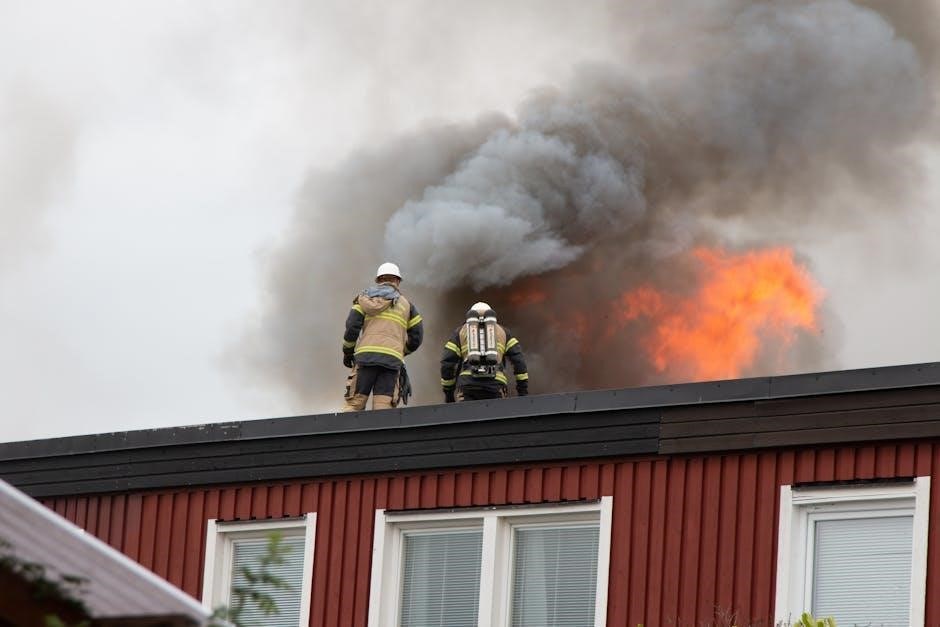
Drowsiness‚ alcohol/medication use‚ and flammable bedding significantly elevate the risk; unattended cigarettes easily ignite materials‚ causing devastating and often fatal consequences.
Drowsiness and Reduced Awareness
A critical factor in bed smoking fires is the diminished state of awareness often experienced when smoking before sleep or while already in bed. Fatigue and drowsiness significantly impair judgment and reaction time‚ making it incredibly easy to fall asleep with a lit cigarette. This lapse in attention is a primary contributor to fires‚ as a smoldering cigarette can quickly ignite bedding and surrounding materials without the smoker noticing until it’s too late.
The combination of nicotine’s relaxing effects and natural sleepiness creates a dangerous scenario. Individuals may underestimate the time a cigarette will burn or fail to fully extinguish it before drifting off. Even a brief period of unconsciousness or deep sleep can allow a small ember to grow into a substantial fire‚ rapidly escalating the situation beyond control. Reduced awareness directly translates to a heightened risk of ignition and a delayed response‚ increasing the severity of potential damage and the likelihood of fatal outcomes.
Use of Alcohol or Medications
The consumption of alcohol or the use of certain medications dramatically increases the risk associated with smoking in bed. Both substances can induce drowsiness and impair cognitive function‚ further reducing a person’s awareness of their surroundings and their ability to react quickly to a developing fire. Alcohol specifically can suppress the central nervous system‚ leading to deeper and more prolonged sleep‚ making it less likely that a smoker will awaken to the smell of smoke or the sensation of heat.
Similarly‚ many prescription and over-the-counter medications have sedative effects. Combining these with smoking‚ particularly in bed‚ creates a particularly hazardous situation. The impaired judgment and slowed reflexes caused by these substances can prevent a person from properly extinguishing a cigarette or responding effectively if a fire does start‚ significantly elevating the potential for severe injury or fatality.
Flammable Bedding Materials
The composition of bedding materials plays a crucial role in the rapid spread of fires initiated by smoking in bed. Traditional bedding‚ including cotton‚ rayon‚ and certain synthetic fabrics‚ are highly flammable and ignite easily from a stray ember or burning cigarette. These materials can quickly sustain combustion‚ allowing a small spark to escalate into a full-blown blaze within minutes.
Modern bedding‚ while sometimes treated with flame retardants‚ can still contribute to fire spread‚ especially if these treatments have degraded over time with washing or wear. Upholstered headboards and mattresses pose a significant risk due to the presence of foam padding and fabric coverings. The porous nature of these materials allows oxygen to fuel the fire‚ accelerating its growth and making it exceptionally difficult to extinguish quickly‚ increasing the danger to occupants.
Upholstered Furniture Risks
Upholstered furniture‚ commonly found in bedrooms‚ presents a substantial fire hazard when combined with smoking. Sofas‚ armchairs‚ and even headboards covered in fabric contain highly combustible materials like foam padding‚ polyester fibers‚ and various textile coverings. These materials ignite rapidly when exposed to a burning cigarette or ember‚ quickly escalating into a dangerous fire.
The construction of upholstered furniture further exacerbates the risk. The internal structure often creates air pockets that provide oxygen‚ fueling the flames and accelerating the fire’s spread. Flame-retardant treatments‚ while present in some furniture‚ can degrade over time‚ diminishing their effectiveness. Once ignited‚ upholstered furniture fires produce toxic smoke and gases‚ posing a severe health risk to anyone nearby‚ making swift evacuation critical.
Preventative Measures & Safety Tips
Prioritize fire safety by establishing designated smoking zones‚ utilizing proper ashtrays‚ and ensuring complete cigarette extinguishment before retiring for the night.
Never Smoke in Bed: A Firm Rule
Establishing a strict “no smoking in bed” policy is paramount for fire prevention. This isn’t merely a suggestion; it’s a life-saving rule. The combination of a smoldering cigarette‚ combustible bedding‚ and potential drowsiness creates an incredibly dangerous scenario. Many fires originate from carelessly discarded cigarettes‚ often while individuals are falling asleep.
Even a momentary lapse in attention can have devastating consequences. A dropped cigarette can ignite mattresses‚ sheets‚ and nearby furniture with alarming speed. Remember‚ upholstered furniture poses a heightened risk due to its flammable materials. Prioritizing safety means abstaining from smoking while in bed‚ regardless of perceived comfort or convenience. This single act dramatically reduces the risk of a preventable tragedy.
University housing often explicitly prohibits smoking in bed‚ highlighting the severity of the risk. Adhering to this rule‚ and promoting it to others‚ is a crucial step in safeguarding lives and property.
Designated Smoking Areas
Implementing clearly defined‚ designated smoking areas is a proactive step towards mitigating fire risks. These areas should be located away from any combustible materials – including bedding‚ furniture‚ and curtains – and ideally outdoors. Providing designated spaces encourages smokers to refrain from smoking in hazardous locations like bedrooms.
These areas must be equipped with sturdy‚ non-tip ashtrays and regularly emptied to prevent overflowing and potential ignition sources; Signage clearly indicating “Smoking Area” is essential‚ reinforcing the boundaries and expectations. Hotels frequently utilize designated smoking zones to comply with fire safety regulations and protect guests.
Furthermore‚ educating individuals about the importance of utilizing these areas‚ and the dangers of deviating from them‚ is crucial. Promoting responsible smoking habits through designated areas contributes significantly to a safer environment for everyone.
Proper Ashtray Use and Placement
Correct ashtray usage is paramount in preventing smoking-related fires. Always use a deep‚ sturdy ashtray made of a non-combustible material like metal or ceramic. Avoid using improvised containers that could easily tip over or ignite. Position ashtrays on a stable‚ level surface‚ far from anything flammable – this includes upholstery‚ curtains‚ and bedding.
Before discarding a cigarette‚ ensure it is completely extinguished. Wetting the cigarette butt is a highly effective method‚ or use the ashtray to fully crush it. Never empty a still-smoldering ashtray into a wastebasket. Regularly empty ashtrays to prevent overflow and the accumulation of potentially hazardous ash and embers.
Consistent adherence to these simple practices dramatically reduces the risk of accidental fires‚ safeguarding lives and property. Responsible ashtray use is a fundamental component of fire prevention.
Fully Extinguish Cigarettes
Complete cigarette extinguishment is absolutely critical to fire safety‚ representing the single most important preventative measure. A seemingly extinguished cigarette can retain enough heat to ignite nearby combustibles hours later. Don’t simply assume a cigarette is out; actively verify it.
The most reliable method involves thoroughly wetting the cigarette butt with water‚ ensuring no embers remain. Alternatively‚ crush the cigarette firmly within a sturdy ashtray to break it apart and smother any potential for re-ignition. Stir the ash to confirm no glowing material persists.
Never dispose of cigarettes in potted plants‚ landscaping‚ or any other location where they could smolder undetected. Prioritize complete extinguishment every single time – a momentary lapse can have devastating consequences.

Fire Safety Equipment & Preparedness
Essential preparedness includes functional smoke detectors‚ well-defined fire escape plans‚ and immediate fire reporting; hotel guests should familiarize themselves with procedures.
Working Smoke Detectors: Essential Protection
Smoke detectors are undeniably the first line of defense against fire-related tragedies‚ offering crucial early warning that can dramatically increase survival rates. Given that smoking in bed is a leading cause of fatal fires‚ particularly impacting vulnerable populations like the elderly‚ having properly functioning detectors is paramount.
Regularly testing smoke detectors – at least monthly – is vital to ensure they are operational. Batteries should be replaced at least once a year‚ or immediately when the detector signals a low battery. Consider installing interconnected smoke detectors‚ so if one detects smoke‚ all alarms sound throughout the home‚ providing a comprehensive alert.
Placement is also key; detectors should be installed on every level of the home‚ inside and outside bedrooms. Never disable or tamper with smoke detectors‚ as this removes a critical safety measure. A working smoke detector isn’t just a piece of equipment; it’s a potential lifesaver‚ especially when preventable fires‚ like those started by smoking in bed‚ are a significant risk.

Fire Escape Plans: Know Your Route
Developing and practicing a fire escape plan is absolutely crucial‚ especially considering the rapid spread of fires originating from smoking in bed. This plan should include at least two escape routes from every room‚ ensuring alternative exits in case one is blocked by flames or smoke.
Families should designate a safe meeting point outside the home‚ a considerable distance away‚ to account for everyone’s whereabouts after evacuating. Regularly conduct fire drills – at least twice a year – to familiarize all household members‚ including children‚ with the escape routes and meeting point.
In hotel settings‚ familiarize yourself with the emergency evacuation plan posted in your room and know the location of the nearest fire exits. Remember‚ knowing your route and practicing escape procedures can significantly increase your chances of survival in a fire emergency‚ particularly one stemming from a preventable cause like smoking in bed.
Hotel Fire Safety Procedures
When staying in a hotel‚ understanding and adhering to fire safety procedures is paramount‚ especially given the increased risk associated with smoking-related fires. Upon arrival‚ immediately locate the fire exit signs and familiarize yourself with the evacuation route nearest your room. Review the hotel’s fire safety plan‚ typically posted on the room door or in a common area.
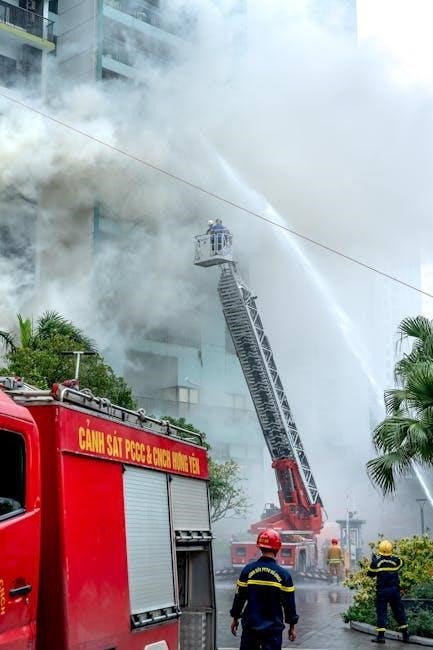
If you discover a fire‚ immediately alert the hotel administrator and activate the nearest fire alarm. Do not attempt to extinguish the fire yourself unless it is small and contained‚ and you have been trained to do so. When evacuating‚ use the stairs – never the elevators – and follow the instructions of hotel staff.
Remember‚ prompt reporting and swift evacuation are critical. Hotels often have specific procedures for assisting guests with disabilities; inquire about these upon check-in. Prioritizing safety can significantly mitigate risks.
Reporting Fires Immediately
The speed with which a fire is reported can dramatically impact the outcome‚ minimizing damage and potentially saving lives. If you witness a fire‚ whether in your home‚ a hotel‚ or any other location‚ immediate action is crucial. Do not hesitate; every second counts.
Dial the emergency services number (like 911) without delay‚ providing a clear and concise description of the fire’s location and extent. If possible‚ identify any potential hazards‚ such as trapped individuals or flammable materials. If you are an eyewitness in a hotel‚ immediately report the incident to the hotel administrator in addition to calling emergency services.
Remain calm and follow the dispatcher’s instructions. Accurate and timely reporting allows firefighters to respond effectively and efficiently‚ increasing the chances of a successful rescue and fire suppression.
Vulnerable Populations & Increased Risk
Elderly individuals and those with mobility issues face heightened danger from bed smoking fires‚ alongside the tragic impact these fires have on children’s safety.
Elderly Individuals and Smoking Habits
Elderly individuals often represent a disproportionately high percentage of fatalities in fires started by smoking in bed‚ a deeply concerning trend. Years of smoking can contribute to cognitive decline‚ increasing the risk of falling asleep while smoking‚ a critical factor in ignition. Pre-existing health conditions and medication use can further exacerbate drowsiness and reduce reaction time‚ hindering their ability to respond quickly to a developing fire.
Tragically‚ cases like James Stokes‚ a 77-year-old man repeatedly warned about this very danger‚ highlight the devastating consequences. Diminished physical capabilities can also impede their ability to escape independently. Comprehensive education and support‚ including assistance with smoking cessation‚ are crucial for protecting this vulnerable population. Regular home safety checks‚ ensuring working smoke detectors‚ and clear evacuation plans are paramount in mitigating these risks and preserving their well-being.
Individuals with Mobility Issues
Individuals facing mobility challenges encounter significantly heightened risks when smoking‚ particularly in bed. Limited physical capacity severely restricts their ability to quickly evacuate a fire‚ making even a small blaze potentially life-threatening. Reaching for assistance‚ navigating obstacles‚ or self-rescue become incredibly difficult‚ drastically reducing their chances of survival.
Furthermore‚ reliance on mobility aids like wheelchairs or walkers can complicate evacuation routes and slow response times. The combination of reduced mobility and potential cognitive impairments‚ common in some conditions‚ amplifies the danger. Ensuring accessible evacuation plans‚ readily available assistance‚ and proactively addressing smoking cessation are vital protective measures. Prioritizing home modifications‚ such as clear pathways and easily reachable emergency exits‚ can significantly improve safety for this vulnerable group.
The Impact on Children
Children are exceptionally vulnerable in fires originating from smoking in bed‚ facing a disproportionately higher risk of injury and fatality. Their developing bodies are more susceptible to smoke inhalation and burns‚ requiring immediate medical attention. Young children often lack the understanding to react appropriately during a fire emergency‚ relying entirely on adults for protection and evacuation.
Furthermore‚ children may be asleep and unaware of the danger until it’s too late. Their smaller size and limited strength make self-rescue nearly impossible. Parental smoking habits directly impact children’s safety; accidental ignition of bedding or nearby materials poses a severe threat. Education regarding fire safety‚ including the dangers of playing with matches and lighters‚ is crucial. Proactive prevention‚ like smoke detector installation and escape plan practice‚ are paramount to safeguarding children’s lives.
Warnings and Education for At-Risk Groups
Targeted educational campaigns are vital for at-risk populations‚ particularly the elderly and individuals with mobility issues‚ emphasizing the heightened dangers of smoking in bed. Clear‚ concise warnings about the risks of drowsiness‚ medication use‚ and flammable bedding must be disseminated through accessible channels. Community outreach programs‚ senior centers‚ and healthcare providers can play a crucial role in delivering these messages.
Educational materials should highlight the importance of never smoking in bed and demonstrate proper cigarette disposal. Hotel fire safety procedures‚ including evacuation routes and reporting protocols‚ need to be clearly communicated to all guests. Public service announcements and online resources can reinforce these warnings. Consistent messaging and readily available information empower individuals to make informed decisions and prioritize fire safety‚ ultimately reducing preventable tragedies.