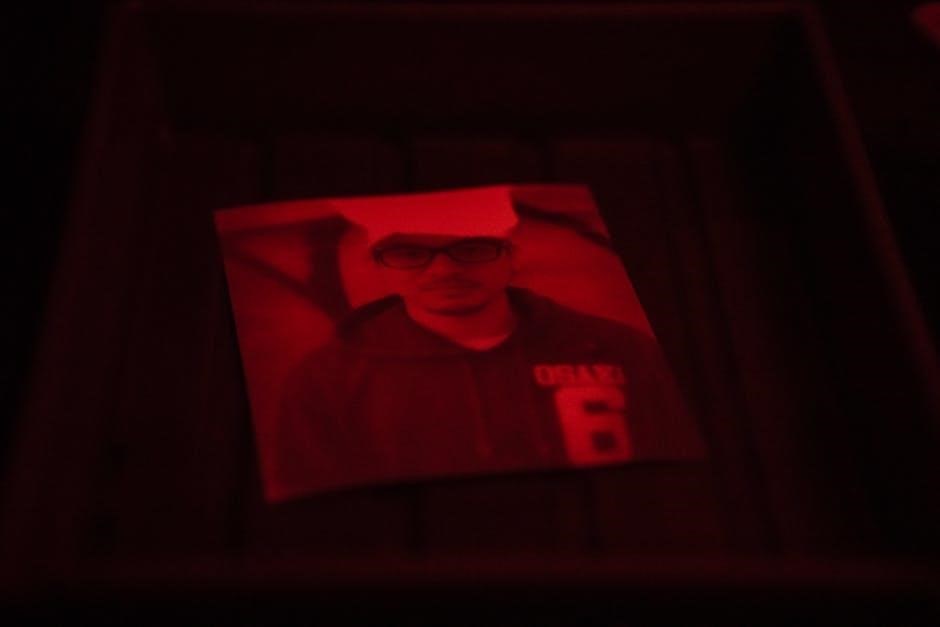
Manual high school photos, captured before digital dominance, offer a unique glimpse into past eras, reflecting societal norms and individual expressions through posed portraits.
The Nostalgia Factor
Manual high school photos powerfully evoke nostalgia, instantly transporting viewers back to their formative years. These images aren’t just portraits; they’re time capsules brimming with memories of friendships, first loves, and youthful aspirations. The tangible quality of printed photos, unlike fleeting digital images, amplifies this emotional connection.
Flipping through yearbooks filled with these photos triggers a potent sense of longing for simpler times, reminding us of shared experiences and the individuals who shaped our past. They represent a preserved innocence and a bygone era.
The Historical Significance
Manual high school photos serve as invaluable historical documents, offering insights into evolving fashion, hairstyles, and social dynamics across decades. They visually chronicle societal shifts, reflecting changing norms and values. Beyond individual portraits, these photos capture the collective spirit of a generation, providing researchers with a unique lens into past cultures.
Yearbooks, filled with these images, become primary sources for understanding historical contexts, offering a tangible connection to the past and aiding in broader historical research efforts.
The Evolution of High School Yearbooks
High school yearbooks transitioned from simple collections to sophisticated publications, mirroring advancements in photography and printing technologies, initially relying on manual processes.
Early Yearbook Designs (Pre-1950s)
Prior to the 1950s, manual high school photos dominated yearbook content, often presented in straightforward, posed arrangements. These early yearbooks featured limited color, relying heavily on black and white photography and hand-drawn illustrations. Layouts were typically simple, prioritizing class lists and basic event coverage.
The creation process was intensely manual, involving painstaking photo retouching, careful typesetting, and often, student-led design efforts. These yearbooks represent a foundational period, capturing a sense of formality and documenting school life with limited stylistic flourishes, yet possessing a unique historical charm.
The Rise of Photography and Yearbook Popularity (1950s-1980s)
The mid-20th century witnessed a surge in yearbook popularity, fueled by advancements in manual photography. Improved cameras and film allowed for higher-quality portraits and candid shots. Yearbook designs became more dynamic, incorporating creative layouts and larger photo spreads.
This era saw a shift towards capturing student life beyond formal poses, reflecting evolving social norms. Manual photo retouching remained crucial, but the increased accessibility of photography democratized yearbook creation, making it a central high school tradition.
Digital Yearbooks and Modern Trends (1990s-Present)
The advent of digital photography dramatically altered yearbook production, moving away from manual processes. While nostalgic for the aesthetic of film, digital platforms offered ease of editing, layout, and distribution. Interactive features, like video and online galleries, became commonplace.
Despite these changes, the core purpose – preserving school memories – remains. Modern yearbooks often blend digital convenience with retro design elements, acknowledging the legacy of manual photography and its unique charm.
Key Elements of a Manual High School Photo
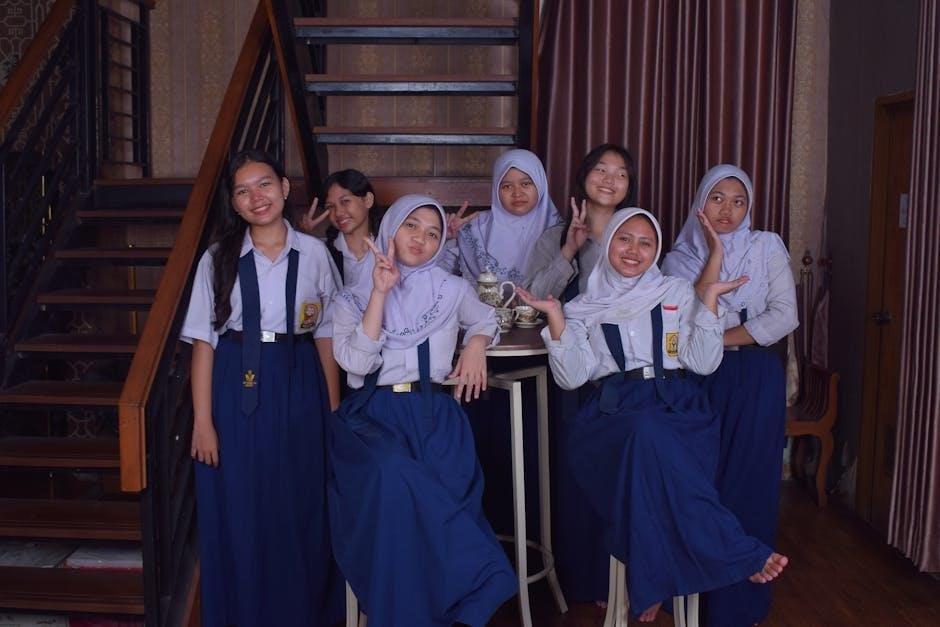
Manual photos showcase distinct posing styles, clothing, and hairstyles indicative of their era, serving as visual markers of historical fashion and societal trends.
Posing Styles Through the Decades
Early manual high school photos (pre-1950s) often featured formal, stiff poses, reflecting a more reserved societal demeanor. As decades progressed, poses became gradually more relaxed and natural, mirroring evolving social norms.
The 1960s and 70s saw experimentation with candid shots and group arrangements, while the 1980s embraced bolder, more stylized poses. These shifts weren’t merely aesthetic; they visually documented changing attitudes towards individuality and self-expression, captured permanently in yearbook pages.
Clothing and Fashion as Historical Markers
Manual high school photos serve as invaluable records of fashion trends throughout the years. Early yearbooks showcase conservative attire – dresses and suits – indicative of the times. Later decades reveal evolving styles: poodle skirts in the 50s, bell-bottoms in the 70s, and the bold colors of the 80s.
These clothing choices weren’t simply about style; they reflected broader cultural shifts, economic conditions, and youth movements, offering a tangible connection to the past.
Hairstyles and Trends Reflecting the Era
Manual high school photos vividly document evolving hairstyles, acting as potent historical markers. The neatly coiffed dos of the mid-20th century gave way to the bouffants and beehives of the 60s, then the long, flowing hair associated with the counterculture movement.
The 80s brought big hair and perms, while the 90s saw grunge-inspired looks. These shifts weren’t merely aesthetic; they mirrored societal changes and individual expression.
The Process of Creating Manual Yearbooks
Manual yearbook creation involved meticulous photography sessions, careful layout design, and dedicated staff collaboration – a labor-intensive process before digital tools existed.
Photography Sessions: Organization and Logistics
Organizing manual high school photo sessions demanded significant logistical planning. Schools scheduled students individually or in groups, often utilizing gymnasiums or designated studios. Photographers relied on film cameras and controlled lighting, requiring precise setups.
Yearbook staff meticulously managed appointment books, ensuring every student was photographed. Posing was directed to achieve consistent results, and retakes were common. Developing the film and creating prints added further complexity, demanding darkroom expertise and careful quality control before layout.
Layout and Design Principles
Manual yearbook layout involved physically arranging photographs and text on large boards. Staff members utilized paste-up techniques, carefully cropping images and adhering them with wax or adhesive. Design principles focused on visual balance, creating thematic spreads, and maximizing limited space.
Typography was selected to complement the photos, and consistent style guides were crucial. Color choices, often limited by printing costs, played a key role in establishing the yearbook’s aesthetic. This painstaking process required artistic vision and meticulous attention to detail.
The Role of the Yearbook Staff
Yearbook staff members held crucial roles in the manual creation process. Editors oversaw content and design, photographers captured events and portraits, and writers crafted captions and stories. Layout artists meticulously arranged pages, while sales teams secured funding through advertisements and book sales.
This collaborative effort demanded dedication, organizational skills, and a keen eye for detail. The staff functioned as a mini-publishing house, responsible for every aspect of the yearbook’s production, fostering teamwork and school spirit.
Analyzing High School Photos: What They Reveal
Manual high school photos unveil social dynamics, prevailing societal norms, and individual attempts at self-expression, offering valuable insights into a specific time period.
Social Dynamics and Cliques
Manual high school photos often subtly reveal the intricate social hierarchies and established cliques within a school. Posing arrangements, proximity to others in the images, and even clothing choices can indicate social standing and group affiliations.
Formal portraits might showcase dominant groups, while candid shots, if present, could hint at less visible social circles. Analyzing these visual cues provides a fascinating, albeit indirect, understanding of the complex social landscape experienced by students during that era, reflecting power dynamics and belonging.
Reflections of Societal Norms
Manual high school photos serve as compelling visual records of prevailing societal norms and expectations of their time. Clothing styles, hairstyles, and even posing conventions reflect the cultural values and standards of the era.
These images demonstrate how gender roles, class distinctions, and racial dynamics were visually represented and reinforced within the school environment. Studying these photos offers valuable insights into the broader social context and evolving attitudes of past generations.
Individual Expression and Identity
Despite the constraints of posed settings, manual high school photos often reveal subtle attempts at individual expression and identity formation. Students utilized accessories, hairstyles, and even slight variations in pose to communicate their personalities.
These choices, though seemingly minor, represent a negotiation between conformity and self-representation. Analyzing these details provides a nuanced understanding of how teenagers navigated social expectations while striving to establish their unique identities within the school community;
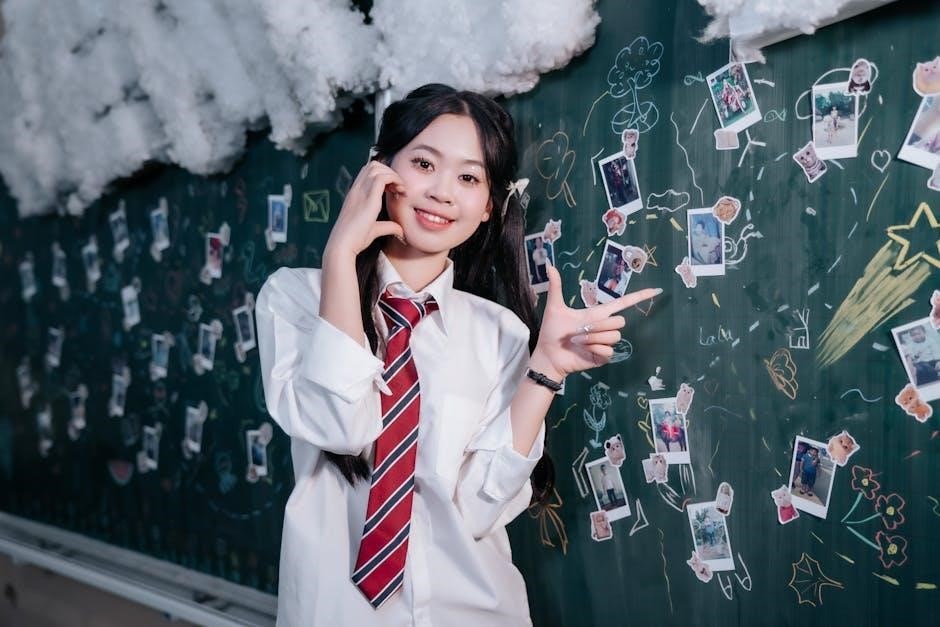
Notable High School Yearbook Photos & Stories
Manual high school photos sometimes capture future celebrities or become linked to unsolved mysteries, offering compelling narratives beyond simple student portraits and memories.
Famous People in Their Yearbook Photos
Manual high school photos frequently reveal surprisingly youthful images of individuals who later achieved widespread fame. Pamela Anderson’s 1985 Canadian yearbook photo showcases a young woman poised for a career in entertainment.
These early portraits offer a fascinating contrast to their public personas, providing a glimpse into their formative years before stardom. Discovering these images connects us to their origins, humanizing icons and sparking nostalgic interest. They demonstrate how even future celebrities began as ordinary students.
Yearbook Photos and Unsolved Mysteries
Manual high school photos can sometimes become unexpectedly linked to tragic or unsolved cases. The Getty Images archive highlights the story of Jontrae Byrdsong, whose 2000 Hollywood High School yearbook photo is featured alongside details of his and his father’s murder.
These images serve as poignant reminders of lives cut short, transforming seemingly innocent portraits into evidence or memorials. They underscore the enduring power of photographs to preserve memory and prompt continued investigation.
Yearbooks as Sources for Historical Research
Manual high school photos, compiled in yearbooks, function as valuable primary sources for historians and researchers. They offer visual documentation of fashion, hairstyles, and social dynamics across different decades, reflecting broader cultural shifts.
Beyond individual portraits, yearbook layouts reveal prevailing design aesthetics and school priorities. These collections provide insights into past educational practices and community values, supplementing traditional historical records.

The Impact of Yearbooks on Memory and Identity
Manual high school photos powerfully evoke nostalgia, fostering alumni connections and preserving school history through tangible visual reminders of formative years.
The Power of Visual Reminders
Manual high school photos serve as potent visual triggers, instantly transporting individuals back to specific moments and emotions experienced during their adolescence. These images aren’t merely portraits; they’re concentrated capsules of time, encapsulating fashion, hairstyles, and social dynamics. The physicality of a printed yearbook enhances this effect, offering a tactile connection to the past, unlike fleeting digital images.
They solidify memories, allowing former students to revisit their younger selves and reconnect with peers, fostering a sense of shared history and belonging.
Yearbooks and Alumni Connections
Manual high school yearbooks, brimming with familiar faces, act as powerful catalysts for rekindling alumni connections. These publications facilitate reunions, providing a shared reference point for reminiscing and rebuilding relationships severed by time and distance. The act of flipping through pages sparks conversations and unlocks forgotten memories, strengthening the bonds forged during formative years.
Yearbooks become treasured keepsakes, fostering a lasting sense of community and school spirit long after graduation.
Preserving School History
Manual high school photos within yearbooks serve as invaluable primary sources for documenting school history. They capture not only student appearances but also evolving fashion, hairstyles, and social dynamics of each era. These visual records offer insights into past events, school traditions, and the broader cultural context, providing future generations with a tangible link to their school’s heritage.
Yearbooks are essential for historical research and maintaining institutional memory.

Technical Aspects of Manual Photography for Yearbooks
Manual high school photos relied on film cameras, meticulous film development, and precise printing techniques, demanding skilled photographers and darkroom expertise.
Camera Equipment Used Historically
Early manual high school photography predominantly utilized large format cameras, like view cameras, demanding precise setup and offering exceptional detail. As technology advanced, medium format cameras, such as Hasselblads and Mamiya systems, gained popularity for their balance of quality and portability.
Common lenses included portrait lenses optimized for flattering facial features, alongside standard and wide-angle options for varied compositions. Flash photography, initially employing flashbulbs and later electronic flash units, was crucial for indoor shots and filling shadows. Light meters were essential tools, aiding photographers in achieving proper exposure in the absence of automatic settings.
Film Development and Printing Techniques
Manual high school yearbook photography relied heavily on darkroom processes. Exposed film negatives underwent chemical development – involving developer, stop bath, and fixer – to create visible images. Printing involved projecting the negative onto light-sensitive photographic paper, followed by its own chemical development process.
Dodging and burning techniques were skillfully employed to adjust contrast and brightness locally. Retouching negatives or prints was common, removing blemishes or enhancing features. Precise timing and temperature control were vital for consistent results, demanding expertise from yearbook staff or professional labs.
Lighting and Composition Basics
Manual high school photography often utilized simple lighting setups, frequently relying on available window light or basic flash units. Photographers aimed for even illumination to avoid harsh shadows, crucial for flattering portraits. Compositionally, the rule of thirds was frequently applied, positioning subjects off-center for visual interest.
Backgrounds were typically kept simple, often using studio backdrops or school hallways. Posing was carefully directed to create balanced and aesthetically pleasing images. Understanding these fundamentals was key to capturing consistent, quality photos for the yearbook.
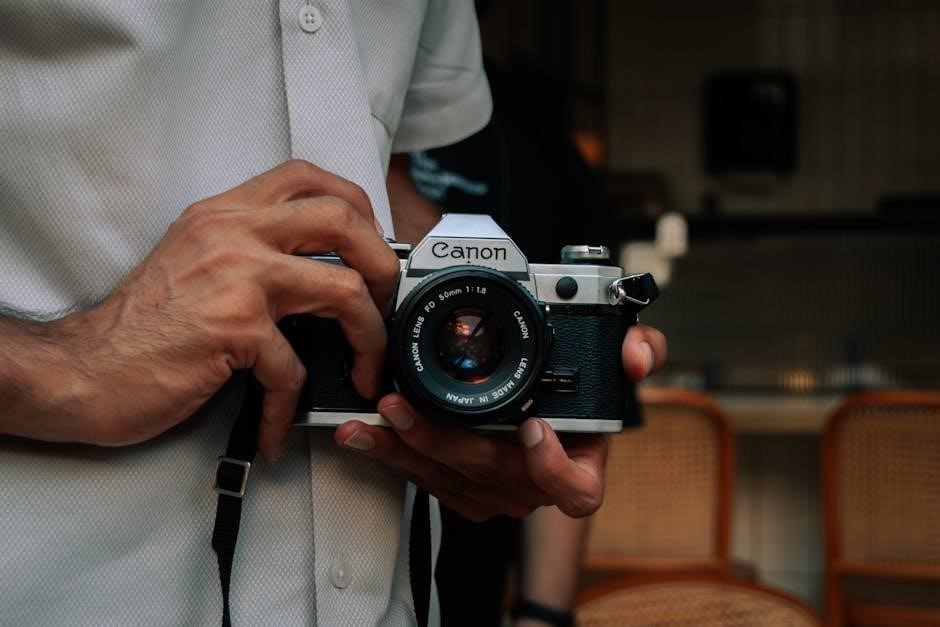
The Future of High School Yearbooks
Digital platforms now dominate, yet the core purpose – preserving memories – remains, evolving with interactive features while honoring the legacy of manual photography.
Digital Yearbook Platforms
The shift from manual processes to digital platforms dramatically altered yearbook creation. Modern software allows for easy layout design, photo uploads, and collaborative editing, a stark contrast to past methods. These platforms often include interactive elements like videos and slideshows, enhancing engagement.
However, the essence of capturing a school year’s spirit persists. While manual photography offered a tangible, curated experience, digital tools provide broader accessibility and creative control. The challenge lies in balancing technological advancements with the nostalgic charm of traditionally crafted yearbooks, ensuring future editions remain meaningful keepsakes.
Interactive Yearbook Features
Compared to the static nature of manual yearbooks, digital platforms now boast interactive features. QR codes linking to video interviews, augmented reality experiences bringing photos to life, and embedded social media feeds are common. These additions move beyond simple documentation, fostering a dynamic connection to the past.
While manual yearbooks relied on carefully chosen images and captions, interactive elements allow for layered storytelling. This evolution reflects a desire for more immersive and personalized experiences, bridging the gap between printed memories and the digital world students now inhabit.
The Continued Relevance of Yearbook Photography
Despite the rise of digital documentation, yearbook photography retains significant cultural relevance. It provides a curated, formal record distinct from candid social media posts. The deliberate posing and professional quality offer a timeless aesthetic absent in everyday snapshots.
Yearbook photos become cherished artifacts, prompting nostalgia and facilitating alumni connections. They represent a shared experience and a preserved moment in time, offering a tangible link to formative years – a legacy that transcends fleeting digital trends.
Ethical Considerations in Yearbook Photography
Yearbook photography demands careful attention to privacy, fair representation of the student body, and avoidance of bias during photo selection and portrayal.
Privacy Concerns
Historically, obtaining informed consent for yearbook photos presented challenges, especially with evolving privacy expectations. Manual photography lacked immediate review processes, potentially leading to unintentional exposure of students uncomfortable with publication.
The permanence of printed yearbooks raises lasting privacy issues; images remain accessible for decades, potentially impacting future opportunities. Careful consideration regarding student likenesses and avoiding potentially embarrassing or compromising photos were – and remain – crucial ethical responsibilities for yearbook staff.
Representing the Student Body Fairly
Yearbook staff faced the responsibility of portraying the entire student body, not just popular cliques or those actively involved in extracurriculars. Manual photo selection demanded conscious effort to include diverse representation – reflecting varied ethnicities, socioeconomic backgrounds, and interests.
Avoiding unintentional bias in photo choices was paramount. A truly representative yearbook aimed to showcase the breadth of the student experience, fostering inclusivity and ensuring all students felt acknowledged and valued within the school community.
Avoiding Bias in Photo Selection
Yearbook creation inherently involved subjective decisions, making bias a significant concern during manual photo selection. Staff members needed to actively counteract personal preferences and societal prejudices that could skew representation.
Prioritizing a balanced portrayal meant consciously seeking out photos of students often overlooked – those less involved in prominent activities or belonging to marginalized groups. Fairness demanded a deliberate effort to move beyond superficial impressions and showcase authentic student life.
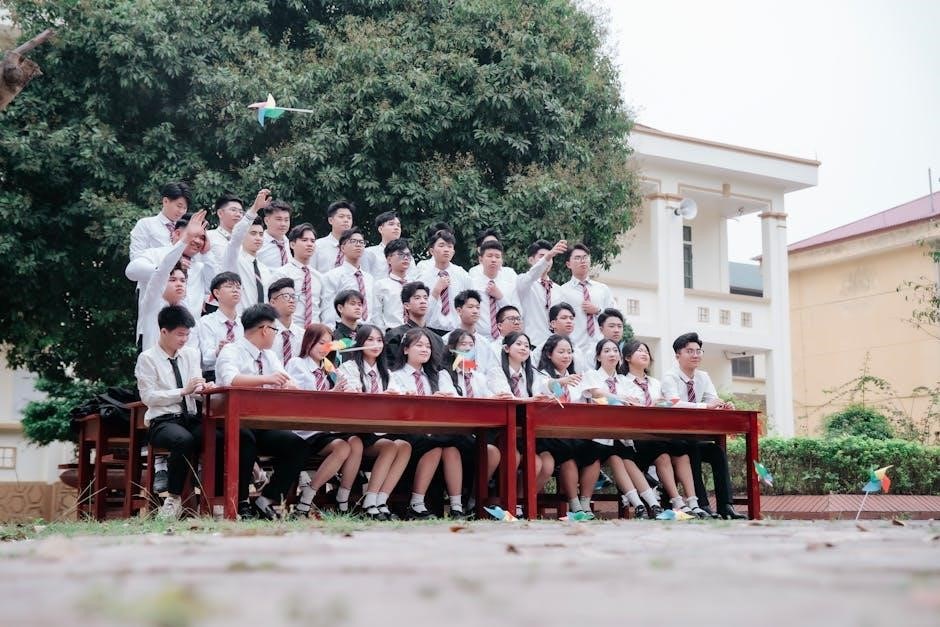
Resources for Yearbook Research
Online archives, university libraries, and historical societies provide invaluable access to manual high school photos, aiding research and preserving school history.
Online Yearbook Archives
Numerous websites are dedicated to digitizing and archiving manual high school yearbooks, offering researchers and alumni a convenient way to access historical photos. These platforms often allow keyword searches, facilitating the discovery of specific individuals or events. Classmates.com and Ancestry.com are popular choices, though subscription fees may apply.
Furthermore, some school districts and local libraries have initiated their own digital yearbook projects, making collections freely available online. These archives represent a growing effort to preserve these visual records of past generations and their school experiences.
University Libraries and Special Collections
Many university libraries and their special collections departments house significant collections of manual high school yearbooks, often donated by alumni. These institutions prioritize preservation and provide access to researchers studying social history, fashion trends, and cultural shifts.
Access may require a visit to the library or, in some cases, utilizing digital finding aids to locate relevant materials. These collections frequently contain yearbooks from closed or consolidated schools, offering unique historical insights.
Historical Societies
Local and regional historical societies are invaluable resources for researching manual high school photos and yearbooks. They often maintain collections specific to their geographic area, including school records and alumni donations.
These societies frequently host exhibits featuring historical photographs and documents, and their volunteers can provide expert guidance for researchers. Accessing their archives can reveal fascinating details about local school history and community life.
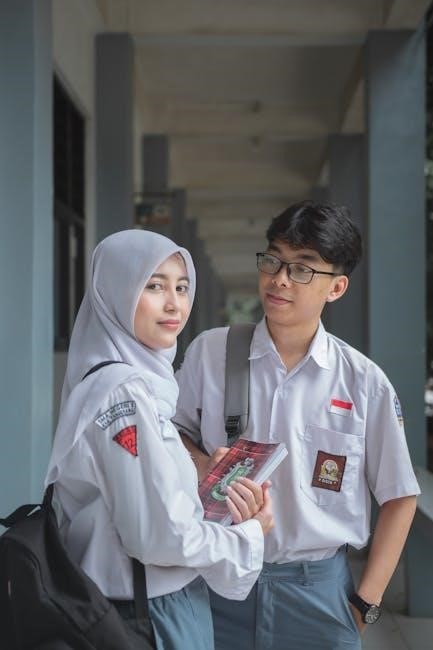
The Etymology of “High” in Relation to “High School”
“High” originates from Old English hēah, signifying elevated status, evolving to denote schools offering advanced education beyond elementary levels.
Origins in Old English and Proto-Germanic
The word “high,” central to “high school,” boasts deep linguistic roots. It traces back to Old English hēah, signifying qualities like tallness, loftiness, and even high social standing. This, in turn, stems from Proto-West Germanic hauh and ultimately Proto-Germanic hauhaz.
Further back, the origin lies in the Proto-Indo-European root kewk-, meaning “to bend” or “crooked,” surprisingly connected to notions of elevation. This evolution demonstrates how concepts of physical height became metaphorically linked to importance and prestige, influencing the naming of secondary educational institutions.
The Concept of Elevated Status
The association of “high” with superior standing historically influenced educational terminology. “High schools” weren’t simply schools of greater physical elevation; they represented a more advanced level of learning, preparing students for university or professional life – an “elevated” future.
This concept extended beyond academics, signifying a societal step up. Yearbook photos, therefore, captured students poised on the cusp of this elevated status, documenting a pivotal moment of aspiration and potential, reflecting societal expectations of success.
Evolution of the Term “High School”
Initially, “high school” denoted institutions offering education beyond basic grammar school – a higher level of study. Originating from Old English “hēah,” signifying loftiness, the term gradually solidified its association with secondary education in the 19th century.
As high schools became more prevalent, yearbook photography emerged as a means of documenting this new educational phase. These early photos, though manual in creation, visually charted the evolving definition of “high school” and its place in American society.