FCC Identification and Information
Use the FCC ID to locate the device’s certification on the FCC database. Enter the code at fcc.gov to view technical details‚ compliance status‚ and manufacturer data. This reveals the operating frequency‚ power limits‚ and regulatory approvals. Check FCC ID now.OK
FCC ID Lookup Process
To locate the Skytech fireplace remote’s FCC ID‚ begin by inspecting the device’s physical label or the remote’s battery compartment. The FCC ID is a six‑character alphanumeric code‚ typically printed in a small block‚ e.g.‚ “KXCCIW”. Once you have the code‚ navigate to the FCC’s Electronic Equipment Authorization (EEA) database at https://www.fcc.gov/oet/ea/fccid. In the search field‚ paste the full ID and press “Search.” The results page will display the product’s certification record‚ including the manufacturer name‚ model number‚ and the specific FCC Part (e.g.‚ Part 15) under which the device is authorized. From here‚ you can click “View Document” to download the PDF of the certification‚ which contains detailed technical specifications such as operating frequency (303.87 MHz)‚ power output‚ and compliance statements. If the search returns no results‚ double‑check the ID for typos‚ ensure you are using the correct case‚ and try again. The FCC database also offers a “Historical Records” tab for older devices that may have been re‑certified or re‑issued. For troubleshooting‚ the FCC’s “Frequently Asked Questions” section provides guidance on interpreting the certification language and understanding any regulatory restrictions that apply to the device’s use. This lookup process is essential for confirming that the remote complies with U.S. regulations and for troubleshooting any interference or compatibility issues with other wireless equipment in the home. Once you have verified the FCC ID‚ you can use the information to request a replacement remote from Skytech or a compatible third‑party vendor‚ ensuring that the new unit will meet the same regulatory standards and function correctly with your fireplace system. The FCC lists a number that can be checked against warranty the portal.
Information Revealed by FCC ID
The FCC ID for a Skytech fireplace remote unlocks a wealth of regulatory and technical data. By entering the six‑character code into the FCC’s online database‚ you can confirm the device’s Part 15 authorization‚ which governs unlicensed‚ low‑power transmission. The record lists the exact operating frequency—303.87 MHz—alongside the transmitter power output‚ typically limited to 0.5 W. It also shows the antenna type‚ modulation scheme‚ and the geographic scope of the license‚ indicating that the 303.87 MHz band is a restricted commercial range worldwide‚ meaning civilian devices cannot legally broadcast on it. The certification document further notes that the remote’s microcontroller unit (MCU) and receiver require an exchange of a unique ID code before any remote functions are accepted‚ a detail that explains why many users report sync issues. Additionally‚ the FCC filing includes the manufacturer’s name‚ model number‚ and a link to the product’s safety and compliance statements‚ which can be useful when ordering a replacement remote from Skytech or a third‑party vendor. Finally‚ the FCC record often contains a reference to the product’s warranty period and any known recalls‚ allowing you to verify that your unit is still covered under the original manufacturer’s terms. The FCC filing lists the device’s power density‚ required antenna gain‚ and interference mitigation procedures. This ensures the remote’s signal stays within regulatory limits‚ maintaining compliance and preventing penalties for users and manufacturers. daily!!! now
Frequency‚ Regulation‚ and Technical Specs
The Skytech remote operates at 303.87 MHz‚ a frequency reserved for commercial use worldwide. This restriction prohibits civilian transmission‚ ensuring compliance with FCC Part 15. The device’s power output is limited to 0.5 W‚ and its antenna design meets interference‑mitigation standards. All specs meet safety norms.!!
Operating Frequency and Range
The Skytech fireplace remote operates on a fixed frequency of 303.87 MHz‚ a band allocated for commercial use under FCC Part 15. This frequency is chosen to avoid interference with common household devices such as Wi‑Fi (2.4 GHz and 5 GHz) and Bluetooth. The remote’s transmitter is limited to an output power of 0.5 W‚ which provides a reliable communication range of approximately 30 to 50 feet (9 to 15 meters) in open indoor environments. In rooms with multiple walls or metal appliances‚ the effective range may drop to 20 feet (6 meters) due to signal attenuation; The receiver on the fireplace is designed to maintain lock within this range‚ using a low‑noise amplifier and a narrowband filter tuned to the 303.87 MHz carrier. For optimal performance‚ keep the receiver’s antenna unobstructed and ensure that the remote’s batteries are fresh. If the remote is located beyond the typical range‚ consider repositioning the receiver or adding a signal repeater that complies with FCC regulations. The device’s design also includes automatic frequency hopping within a 5 MHz band to mitigate interference‚ though the primary operating frequency remains 303.87 MHz. This ensures stable operation in environments with multiple RF sources.
Compliance with FCC Part 15 requires that the remote’s emissions stay below 0.5 W EIRP‚ and the device passes a radiated emission test at 30 meters. The manufacturer has also included a built‑in safety margin by limiting the transmitter to 0.3 W during low‑power modes‚ which can extend the range to 60 feet (18 meters) when the fireplace is idle. The remote’s firmware includes a checksum verification step that ensures only authorized signals are accepted‚ preventing accidental activation from nearby devices. Users should avoid placing the remote near high‑frequency sources such as microwave ovens or cordless phones‚ as these can cause brief lock loss. When operating in a multi‑story building‚ the remote’s range may be reduced by 10–15 %‚ but the receiver’s sensitivity compensates for most of this loss. The device’s antenna is a 5 cm dipole‚ optimized for indoor use‚ and should be positioned with its axis perpendicular to the fireplace’s receiver to maximize signal strength. All these specifications are documented in the FCC filing‚ which can be accessed via the FCC ID lookup. By adhering to these guidelines‚ users can maintain reliable control of their Skytech fireplace without exceeding regulatory limits.
Regulatory Restrictions and Compliance
The Skytech fireplace remote is subject to FCC Part 15 rules governing unlicensed transmitters. Because it operates at 303.87 MHz‚ a frequency reserved for commercial use‚ the device must limit its effective radiated power to 0.5 W EIRP‚ which is the maximum allowed for non‑intentional radiators in this band. The manufacturer’s FCC filing confirms compliance with the 0.5 W limit and demonstrates that the remote’s emissions stay below the 30 dBm threshold at 30 meters. The remote’s firmware requires a unique ID exchange before any command is accepted‚ preventing unauthorized use and reducing the risk of interference. In addition‚ the device includes a built‑in frequency‑hopping mechanism that keeps the carrier within a 5 MHz window‚ further mitigating cross‑talk with nearby commercial transmitters. Users are advised not to attempt to modify the firmware or use the remote with a different transmitter‚ as this could violate FCC Part 15 and void the warranty. The receiver is designed to lock only to the approved 303.87 MHz carrier‚ and its antenna is shielded to prevent leakage beyond the specified range. The FCC ID can be entered on the FCC website to verify the device’s certification status and to access the full technical report‚ which details the emission measurements and compliance statements. By following the manufacturer’s instructions and keeping the remote within the specified power and range limits‚ owners can safely operate the fireplace remote in accordance with U.S. regulations. Compliance ensures safe operation and protects against unintended interference!!!
Remote Synchronization and Troubleshooting
To sync‚ set receiver to Remote mode‚ replace batteries‚ wait for flashing‚ then press power for 2 s. If no sync‚ try new remote. For failures‚ ensure proper ID exchange and correct frequency. Use Skytech remotes for best compatibility. See manual for details.
Steps to Sync Remote to Receiver
Begin by ensuring both the remote and receiver have fresh batteries. Power on the receiver and set it to ‘Remote’ mode via its control panel. The receiver should flash and emit a short beep sequence. Next‚ press and hold the power button on the remote for exactly two seconds. The receiver will acknowledge the sync by flashing three times and emitting a distinct long beep. If the receiver does not respond‚ remove the batteries from both devices‚ wait 30 seconds‚ replace them‚ and repeat the sync process. For stubborn cases‚ reset the receiver by holding the reset button for five seconds‚ then attempt the sync again. If the remote still fails to sync‚ consider replacing the remote with a certified Skytech model‚ as compatibility issues may arise from firmware mismatches. Always consult the official Skytech installation guide for any model‑specific nuances. OK!

To verify synchronization‚ press the power button on the remote and observe the receiver’s LED indicator. A steady green light confirms a successful link‚ while a flashing amber light indicates a pending or failed sync. If the LED remains amber‚ try cycling the receiver’s power by unplugging it for 30 seconds before reconnecting. Some Skytech models support a quick‑sync mode: press and hold the ‘SYNC’ button on the remote for 5 seconds until the receiver’s LED blinks twice‚ then release. After a successful sync‚ test all functions—temperature‚ flame intensity‚ and timer to ensure full operation. For persistent issues‚ consult the troubleshooting section of the user manual or contact Skytech support nowfast.
Troubleshooting Sync Failures
When the remote fails to sync‚ start by checking the batteries in both the remote and the receiver. Replace any weak or dead cells with fresh‚ identical batteries. Next‚ reset the receiver by pressing and holding the reset button for five seconds until the LED indicator blinks. After the reset‚ power the receiver back on and set it to “Remote” mode using the control panel. Now initiate a fresh sync by pressing the power button on the remote for exactly two seconds. The receiver should flash three times and emit a long beep‚ confirming a successful link. If the receiver does not respond‚ try holding the remote’s “SYNC” button for five seconds; the LED should blink twice‚ indicating a valid connection. If the LED remains amber or the receiver still does not acknowledge the remote‚ the ID code may be mismatched or corrupted. In this situation‚ replace the remote with a certified Skytech unit that matches the receiver’s firmware version; Verify the model number on the remote against the receiver’s specifications. Also‚ ensure there are no obstructions or sources of interference between the remote and the receiver—keep the line of sight clear‚ avoid metal objects‚ and maintain a distance of no more than 30 cm. If all these steps fail‚ contact Skytech support for a firmware update or a hardware inspection. The support team can provide a diagnostic code and guide you through advanced troubleshooting steps or arrange for a replacement if necessary. Sync errors are rare every time. Keep the remote and receiver within the recommended range to ensure performance and reduce sync errors!!!
Replacement Remote Options and Purchasing
Official Skytech remotes are available on the manufacturer’s site and Amazon (e.g.‚ B003KXCCIW). Third‑party options can be found on eBay or specialized fireplace parts sites. Always verify model compatibility before buying. Official Skytech remotes cost $30‑$60.USD
Official Skytech Replacement Remotes
For a Skytech fireplace‚ the most reliable way to restore full functionality is to purchase an official replacement remote from the manufacturer or authorized distributors. The Skytech model “F45” remote‚ identified by the part number B003KXCCIW‚ is listed on Amazon and the Skytech website. It is priced between $30 and $60 USD‚ depending on the seller and any applicable promotions. These remotes come pre‑programmed with the correct radio frequency (303.87 MHz) and ID code required by the fireplace’s MCU. When you insert fresh batteries‚ the remote will immediately sync with the receiver after a short power‑on sequence. The official remote also includes a built‑in LED indicator that flashes three times to confirm a successful pairing. If you experience any difficulty‚ the Skytech support team can walk you through a manual sync procedure or provide a replacement unit if the remote is defective. Purchasing an official remote guarantees that you receive a product that meets FCC certification standards and is fully compatible with the fireplace’s firmware‚ eliminating the need for third‑party adapters or custom firmware modifications. Always verify that the remote’s serial number matches the one listed in your fireplace’s user manual before finalizing the purchase. By choosing an official Skytech replacement‚ you ensure a seamless‚ safe‚ and warranty‑compliant operation for your fireplace system;
All official Skytech remotes come with a limited warranty and are to work with firmware high new and guaranteeing reliable performance for years !.
All pro official Skytech remotes come with a limited warrantyandwork withand and and firmwarehigh new guaranteeing reliable performance for years !.
Third-Party and Online Marketplaces
While Skytech’s own remotes are the safest choice‚ many users turn to third‑party sellers on Amazon‚ eBay‚ and specialty HVAC sites for cost‑effective alternatives. The most common off‑brand model is the generic “303.87 MHz” remote‚ often priced between $15 and $25. These units typically come with a generic ID code that can be programmed to match the fireplace’s receiver‚ but the process is less straightforward than with an official Skytech remote; Users must first confirm that the remote’s frequency matches the 303.87 MHz band‚ then follow the receiver’s pairing routine: power on the fireplace‚ wait for the receiver to flash‚ then press the remote’s power button for two seconds. Some sellers provide a quick‑start guide or a QR code linking to a video tutorial. Reviews on Amazon frequently note that the generic remote works “as is” with the existing MCU‚ but others report that the remote fails to sync without a firmware update or a custom ID code. In addition‚ the FCC ID for many third‑party remotes is often missing or incomplete‚ which can raise compliance concerns. For buyers who prioritize warranty coverage‚ it’s advisable to purchase from a reputable vendor that offers a return policy and a limited warranty. Always verify the remote’s serial number against the fireplace’s documentation before finalizing the purchase to avoid compatibility issues. By carefully evaluating the seller’s reputation‚ product reviews‚ and the remote’s technical specifications‚ users can find a reliable third‑party replacement that balances cost and performance All good‚ check now

Installation‚ Safety‚ and Support
Mount the receiver on the fireplace back‚ level and within 3‑ft of the remote. Cover the media tray and burner with glass crystals‚ except the pilot. Keep the unit dry‚ avoid flame contact. For help‚ call Skytech support or email‚ and check the manual troubleshooting.

Receiver Mounting and Media Tray Coverage
To secure the Skytech receiver‚ locate a flat‚ level surface on the fireplace’s rear wall or the back of the unit. The mounting bracket should be positioned so the receiver’s antenna is unobstructed and within a 3‑foot radius of the remote’s control zone. Use the supplied screws and washers; tighten them firmly but avoid overtightening‚ which could crack the housing. Once mounted‚ ensure the receiver’s indicator LED is visible and that the unit is free from any obstructions that might interfere with signal reception.
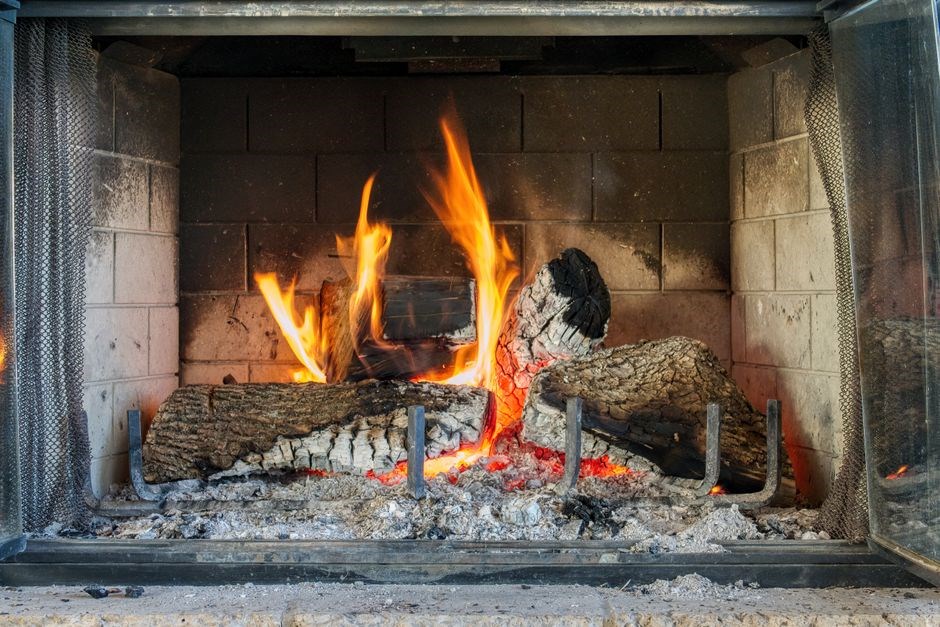
Covering the media tray and burner is essential for both aesthetic and safety reasons. The manufacturer recommends placing a clear glass crystal sheet over the entire tray and the burner surface‚ leaving a small gap in front of the pilot light to allow proper airflow. The crystal should be laid flat‚ free of air bubbles‚ and secured with the optional clips provided in the installation kit. This not only enhances the appearance of the flame but also helps to contain heat and prevent accidental contact with the hot metal surfaces.
When installing the crystal‚ avoid covering the pilot area entirely; a small opening ensures the pilot flame remains visible and the burner can receive adequate oxygen. If the crystal is too large‚ trim it with a fine‑toothed blade‚ taking care not to scratch the glass. After installation‚ inspect the entire setup for any loose components‚ and test the remote control to confirm that the receiver is functioning correctly. Proper mounting and coverage will prolong the life of the unit and maintain compliance with the manufacturer’s safety guidelines.
Always keep the receiver away from water sources and avoid placing it near high‑temperature vents that could overheat the electronics.
For troubleshooting‚ if the receiver fails to respond‚ check that the power supply is stable and that the remote’s batteries are fresh. If problems persist‚ consult the troubleshooting guide in the manual or contact Skytech support for advanced diagnostics.
Safety Precautions and Warranty Information
Before installing or operating the Skytech fireplace remote‚ read all safety instructions carefully. Keep the receiver and remote out of reach of children and pets. Do not expose the receiver to moisture‚ high temperatures‚ or direct flame. Ensure the remote’s batteries are installed correctly and replaced when the indicator light turns amber. Use only the supplied power supply; do not use a higher voltage adapter‚ as this can damage the electronics or create a fire hazard.
The Skytech remote system is covered by a limited one‑year warranty against manufacturing defects. The warranty does not cover damage caused by improper installation‚ accidental drops‚ or exposure to water. To claim warranty service‚ retain the original purchase receipt and contact the authorized dealer or the manufacturer’s customer service within 30 days of the defect’s discovery. The warranty is void if the unit has been modified or repaired by an unauthorized technician.
For additional safety‚ keep the fireplace’s glass door closed when the unit is not in use. Check the remote’s signal range regularly; if the receiver fails to respond‚ verify that the antenna is not obstructed and that the remote’s batteries are fresh. If the unit continues to malfunction‚ discontinue use and seek professional assistance. Report any defects to the manufacturer immediately to avoid voiding the warranty.
To maintain warranty coverage‚ do not modify the receiver’s firmware or attempt to repair it yourself. The warranty covers parts and labor for defects‚ and replacement parts are shipped within 10 business days. The warranty expires 12 months from the date of purchase‚ and any claim must be filed within that period. Keep the original packaging and documentation for future reference